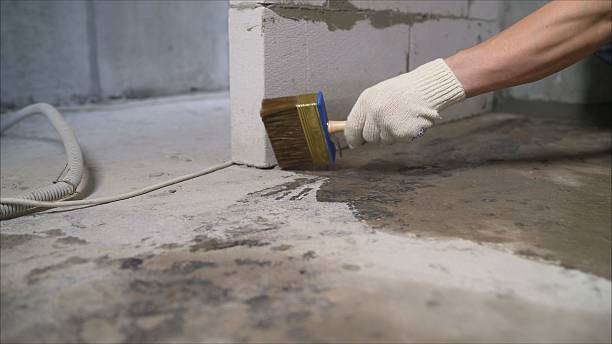
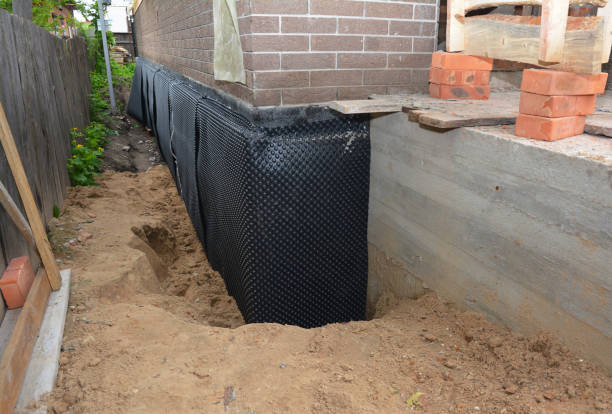
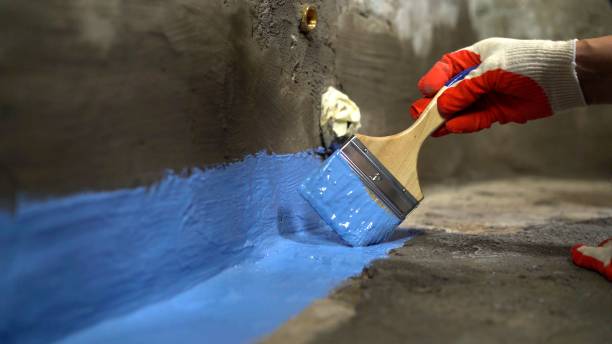
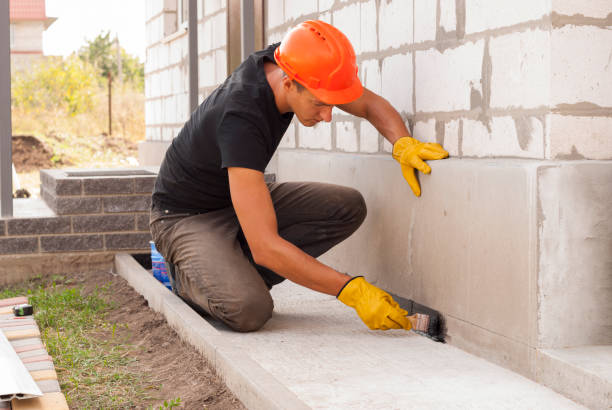
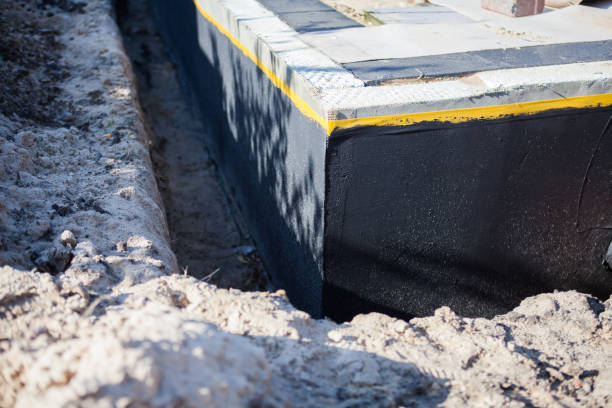
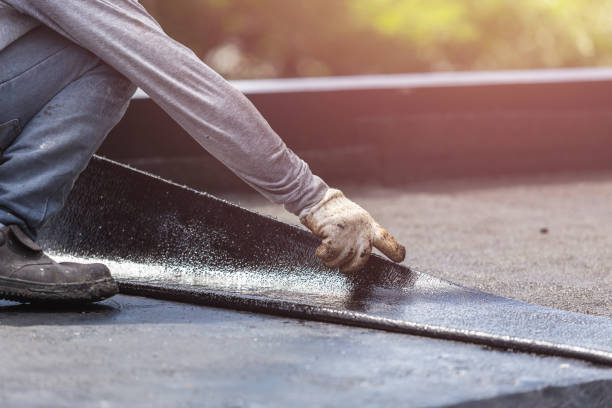
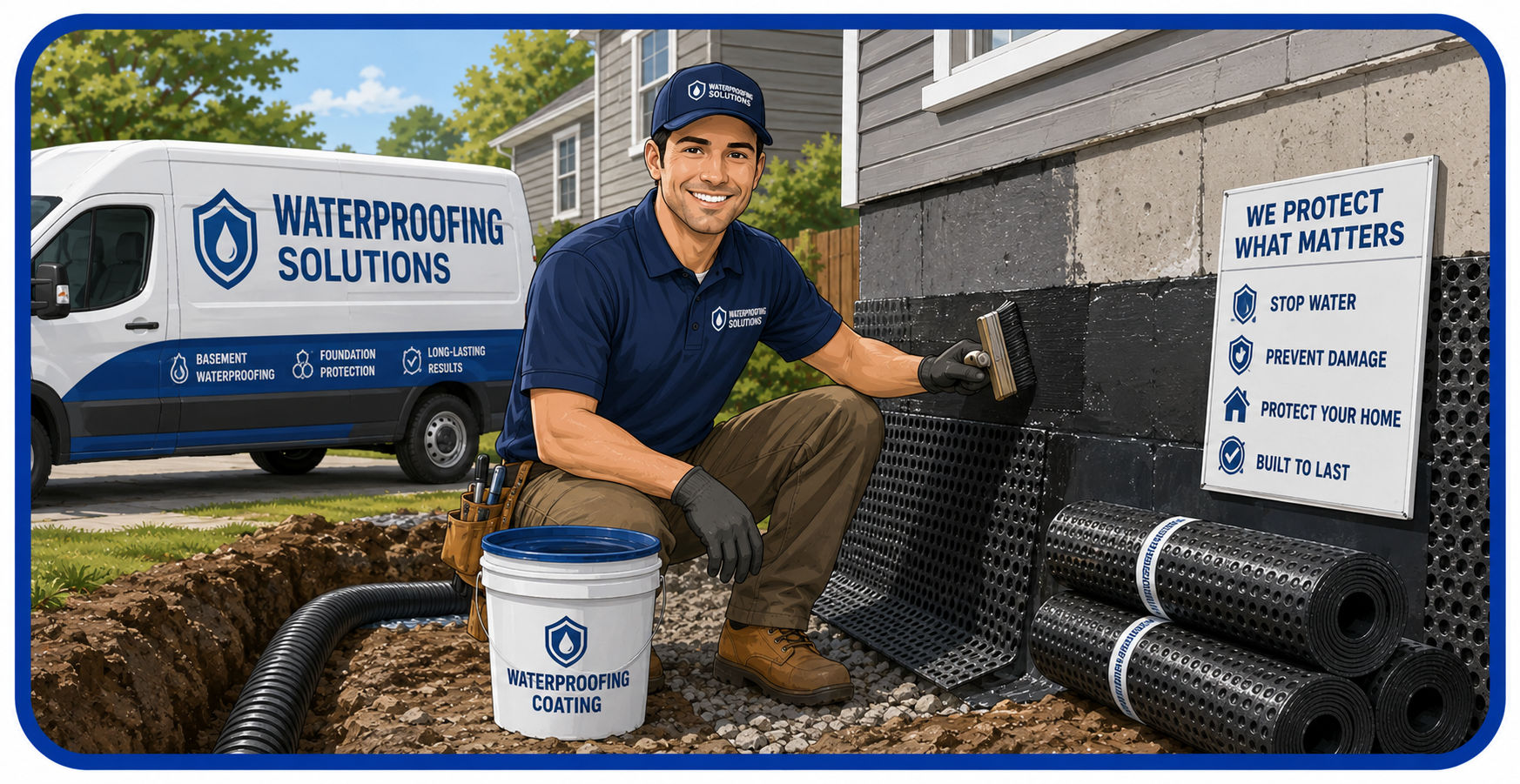
We start by pumping out any standing water, then move straight into liner installation and humidity control.

A rushed encapsulation job with unsealed seams or unwrapped piers looks fine on day one and fails within a season. We treat seam sealing and pier wrapping as core parts of the install, not optional add-ons that get skipped to save time.
Every crew member is trained specifically on liner installation, seam sealing, and vent encapsulation, not general basement work.
Philadelphia, PA crawl space calls get scheduled fast, especially when there's standing water or an active mold smell involved.
No hourly billing — the number we quote is the number on the final invoice.
We measure relative humidity before and after installation to confirm the space is actually staying below the threshold where mold and wood rot take hold.

Every Philadelphia, PA Crawl Space Encapsulation job starts with an inspection, not a generic package — here's what that typically includes.
Before any liner goes down, we pump out existing standing water and remove debris left behind by prior drainage failures.
Liner thickness is selected based on foot traffic and how the space will be used going forward, not a flat default.
Sealed vents are paired with mechanical dehumidification so the space doesn't just trap humidity instead of venting it.
A crawl space needs its own sump basin and discharge line separate from any basement system, since the two spaces drain differently.
We also check subfloor insulation for water damage and replace anything compromised before closing the liner.

We ask about standing water, musty odor, and vent condition to gauge scope before scheduling the inspection.
A technician physically enters the space to check for standing water, existing liner condition, vent count, and duct exposure.
You'll see square footage, liner grade, vent sealing, and dehumidifier specs broken out in the written estimate.
Most residential encapsulations finish in one to two days depending on square footage and access.

"Found out our old vapor barrier had huge gaps at every seam. They redid it properly and sealed the vents too."
— Philadelphia Homeowner
"Wood floors upstairs were starting to cup from crawl space humidity. Encapsulation plus a dehumidifier stopped it before we had to replace flooring."
— Philadelphia Customer
"Access to our crawl space is tight and awkward, but the crew didn't seem bothered by it at all."
— Philadelphia Homeowner
"Musty smell in our upstairs hallway is completely gone now that the crawl space is sealed."
— Philadelphia Customer
We can scope either option depending on your budget and how severe the existing moisture problem is.
We'll recommend a thickness based on how the space is actually used, not just a default.
Some jurisdictions have code requirements around vent sealing, which we'll flag during the inspection if relevant.
If the smell persists after encapsulation, that usually points to a separate moisture source we'd need to investigate.
Standing water doesn't disqualify a space from encapsulation; it's just the first step in the process.
Spaces with extensive prior water damage or debris may take longer — we'll give you a realistic estimate up front.
We encapsulate crawl spaces throughout Philadelphia and the surrounding Philadelphia, PA service area, including the zip codes listed below.


Zip codes we serve in Philadelphia, PA: 19154 19151 19150 19153 19152 19102 19103 19106 19107 19104 19108 19109 19128 19129 19120 19121 19122 19123 19124 19125 19126 19127 19112 19111 19115 19114 19116 19119 19118 19148 19149 19146 19147 19144 19145 19142 19143 19140 19141 19139 19138 19137 19136 19135 19134 19133 19132 19131 19130 19019 19092 19093 19099 19101 19105 19110 19155 19160 19161 19162 19170 19171 19172 19173 19175 19176 19177 19178 19179 19181 19182 19183 19184 19185 19187 19188 19190 19191 19192 19193 19194 19195 19196 19197 19244 19255 19113
Call now for a free inspection and a flat-rate quote before anything gets worse.
Call +1-866-476-1348© SGP Waterproofing. All rights reserved.