Exterior membrane systems, footing drains, and corrected grading tackle Short Hills, NJ water intrusion at the source, before it ever reaches the interior wall.

A lot of Short Hills, NJ exterior waterproofing failures trace back to a footing drain that was installed without proper slope, which means it never actually moved water the way it was supposed to. We verify slope during installation, not just at design.
Exterior work involves excavation near the foundation, and every crew member is trained and insured for that specific scope.
Weather-dependent scheduling means we plan exterior jobs around Short Hills, NJ's rainy season windows when possible.
Landscaping restoration is included in the scope, not billed as a separate surprise line item.
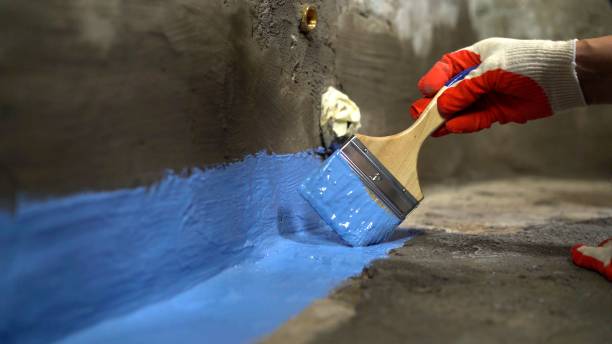
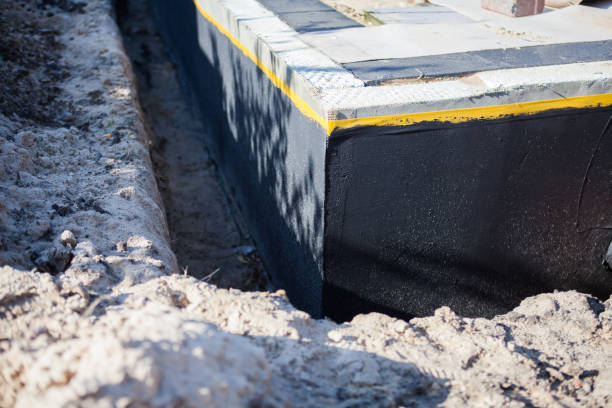
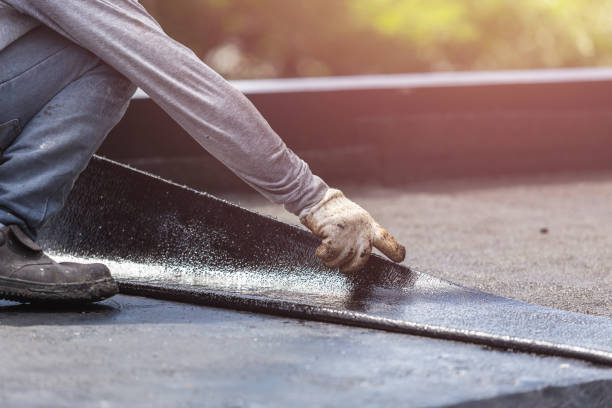
Membrane seams are overlapped and sealed to manufacturer spec so the barrier performs as designed for decades, not just years.

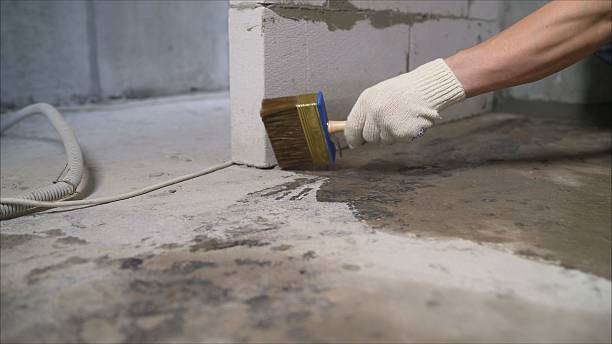
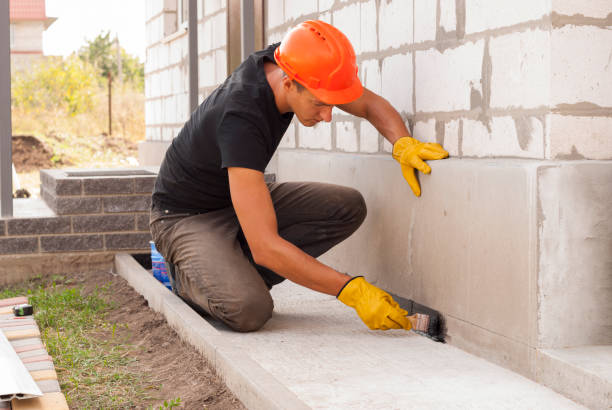
We scope every Exterior Waterproofing job in person before quoting it, since two properties with the same symptom rarely need the same fix.
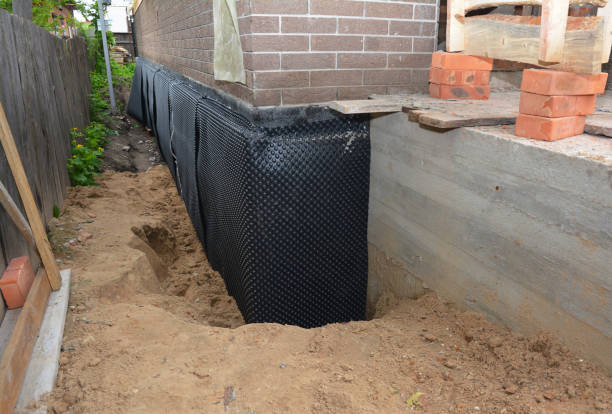
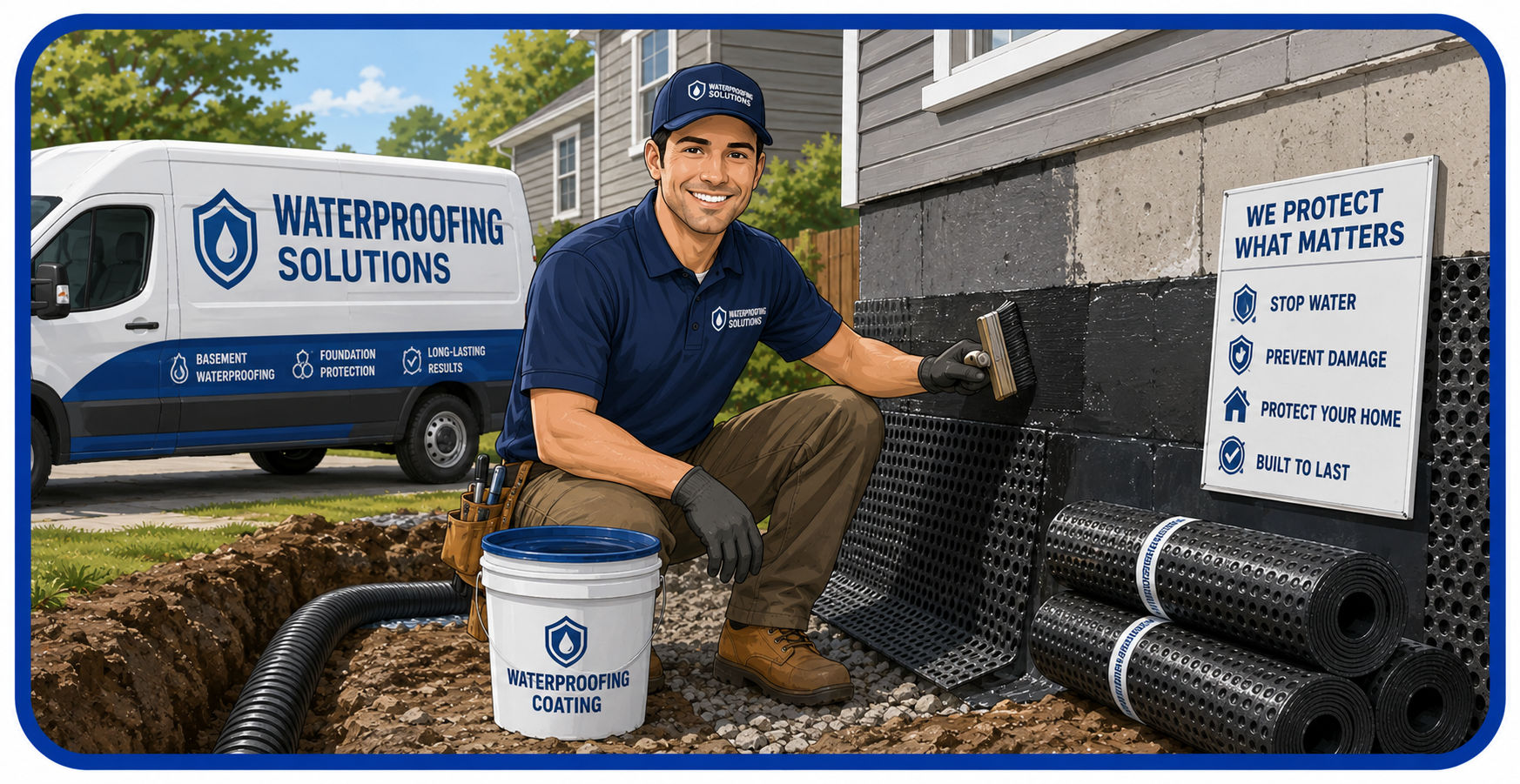
We excavate to the footing, apply a dimpled waterproof membrane directly to the foundation wall, and backfill with proper drainage material.
A perforated footing drain collects groundwater at the base of the foundation and routes it away before it can build pressure against the wall.
Soil that slopes toward the foundation instead of away from it is one of the most common Short Hills, NJ water intrusion causes, and it's often the cheapest fix on this list.
We also inspect and reseal the window frame itself while the well is open.
Downspouts discharging within a few feet of the foundation send roof water directly toward the problem — we extend them well clear of the wall.

We ask about grading, downspout placement, and where interior water is showing up to narrow down the likely exterior cause.
A technician walks the exterior perimeter, checks grading slope, and identifies where excavation would be needed for a membrane or footing drain fix.
We explain what's included in landscaping restoration so there's no confusion after backfill.
Excavation, membrane installation, and backfill for a typical residential wall section usually take a few days depending on access and weather.

"Membrane and footing drain install took three days but the wall that used to weep every storm has been bone dry since."
— Short Hills Homeowner
"They found our downspouts were dumping water two feet from the foundation. Extended them and regraded, and that alone made a noticeable difference."
— Short Hills Customer
"Window well kept flooding every storm. They excavated, added drainage, and resealed the window frame while they were at it."
— Short Hills Homeowner
"Fast turnaround given how much digging was involved."
— Short Hills Customer
Interior systems manage water after it enters; exterior systems stop water from reaching the wall in the first place, which is more invasive but often more permanent.
We discuss landscaping impact during the estimate so there are no surprises.
Excavation typically goes down to the footing, which varies by home but is often four to eight feet depending on foundation depth.
Generally yes, since it involves excavation, but it addresses the source of water intrusion rather than managing symptoms after entry.
We'll recommend starting there if the inspection suggests surface water is the primary cause.
A typical residential wall section with membrane and footing drain work takes a few days depending on access and weather conditions.
Exterior jobs depend on access and weather — call +1-866-476-1348 and we'll confirm scheduling for your specific Short Hills property.


Zip codes we serve in Short Hills, NJ: 07078 7078
One call gets you a licensed specialist, a written quote, and a same-day time window.
Call +1-866-476-1348© SGP Waterproofing. All rights reserved.